
Approachable, not easy: how Blizzard’s 22 October podcast described Forever’s raid design
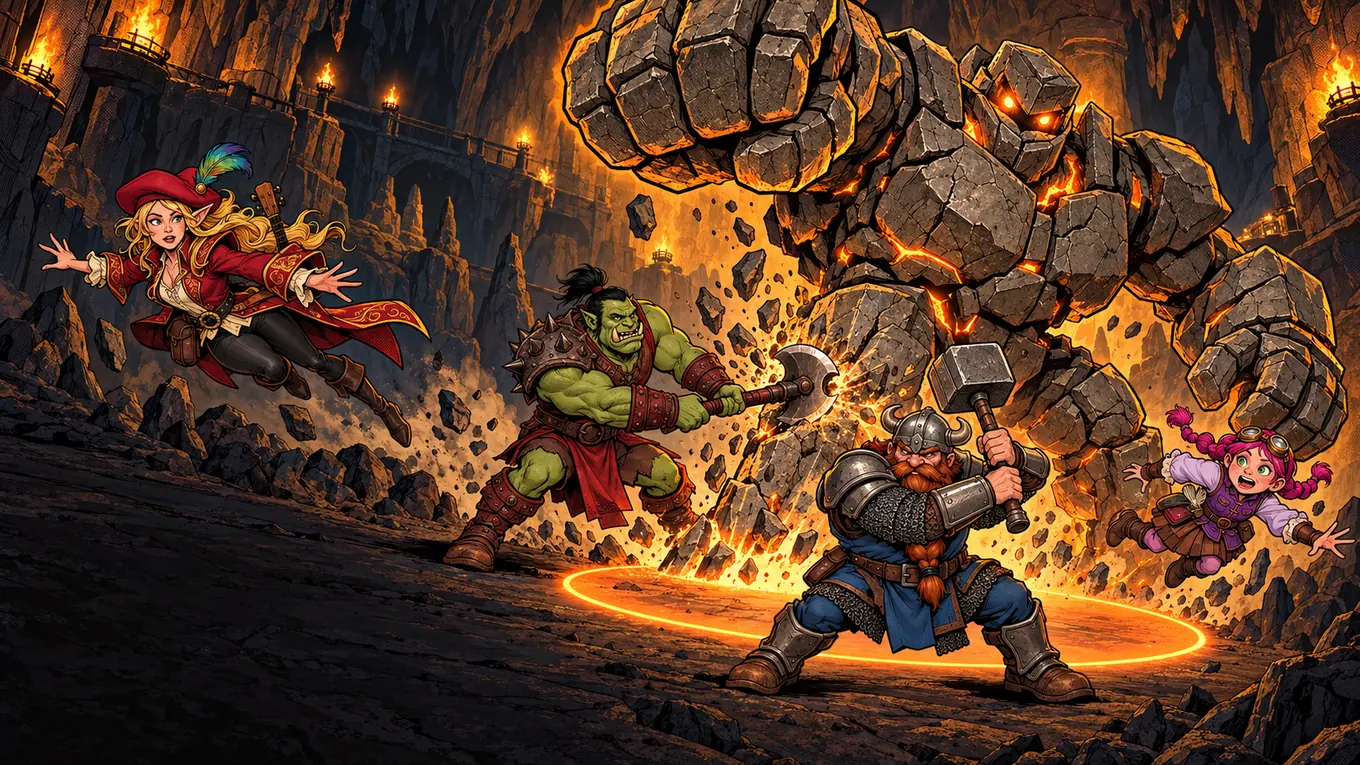
Approachable, not easy: how Blizzard’s 22 October podcast described Forever’s raid design
The End of Beta Special covered friends and preparation, boss fantasy, class tools, consumables, playtesting, and a mistake that kills one player versus one that wipes the raid. Design intent on that date, not launch difficulty.
Updated 3 min read
In this article
On Blizzard’s official End of Beta Special episode of The WoW: Forever Podcast, published on 22 October, a long stretch of the conversation covered how Forever’s raid encounters are designed. These are the design goals described on that date, not measured difficulty.
Friends and preparation
The answer said the aim is for people to feel comfortable bringing their friends along. There might be something to work out, such as which adds to kill first. But a group that has prepared, by running dungeons beforehand and making potions and perhaps a flask or two, should feel it can come in, execute a challenge, succeed and find new epics. That is the goal described, not a promise that every group clears.
The boss’s fantasy comes first
Asked what goes through their mind when designing a new boss, the respondent said the first question is what the boss is and what its fantasy is. Mechanics come after, chosen to evoke that fantasy, so that the boss meets players’ expectations: a fire creature should do fire things. Only then are opportunities for player abilities layered in, such as crowd-controlling a mob during an encounter, to give the class team’s buttons a reason to be pressed.
Another answer stressed that raiding is something you do with others, and that encounters should give each class a moment to feel important and to make a play the group remembers.
Over-preparing as part of the style
The discussion described Classic and Forever as games you can over-prepare for, stacking up far more consumables than modern WoW’s handful, and called that the lane Forever wants to stay in. That is a description of the style, not a rule about what any particular fight requires.
Playtesting and complexity
Asked how encounters stay engaging, the answer described a cycle. The boss is built from its core fantasy, the QA team playtests it, feedback, for example that a mechanic feels boring, is dug into, and the encounter is iterated and tested again. The aim is to avoid going too far toward over-complexity. A boss is judged as a whole experience, so an encounter built on one complicated thing can be fine, depending on what internal feedback says.
One player, or the whole raid
As an illustration from original-era encounters, the discussion described simple mechanics that would kill the player who failed them without wiping the raid; that player was simply the one everyone laughed at for a few minutes. It illustrates a design preference, not a rule for Forever’s launch bosses.
This discussion does not say how many mechanics any boss has, or how hard the launch raids will be.
This account paraphrases the 22 October recording. It is not a transcript, and it does not describe the live game.
Sources
Research as of .
More in Raids, dungeons and guilds
All 19 articles
A creator’s dungeon exit claim: leave the group, keep your Hearthstone
Raids, dungeons and guilds
Settle loot rules before the first raid: a decision guide for small guilds
Raids, dungeons and guilds
Hall of Thanes: a dungeon in the dwarven kings’ tomb beneath Ironforge
Raids, dungeons and guilds
Ruins of Lordaeron: helping the Forsaken reclaim their old capital
Raids, dungeons and guilds
Latest articles
All articles
Six locked items, six professions: a matched set of conditions in the Forever client
World, items and secrets

Dreambound Pinnacle: a readable place name that points to an encrypted map record
World, items and secrets
Lunar Saturation: a readable Elune aura beside a locked Forever item
World, items and secrets
63 encrypted item detail records, not 12,619: an exact count from the Forever client
World, items and secrets