
Settle loot rules before the first raid: a decision guide for small guilds
Settle loot rules before the first raid: a decision guide for small guilds
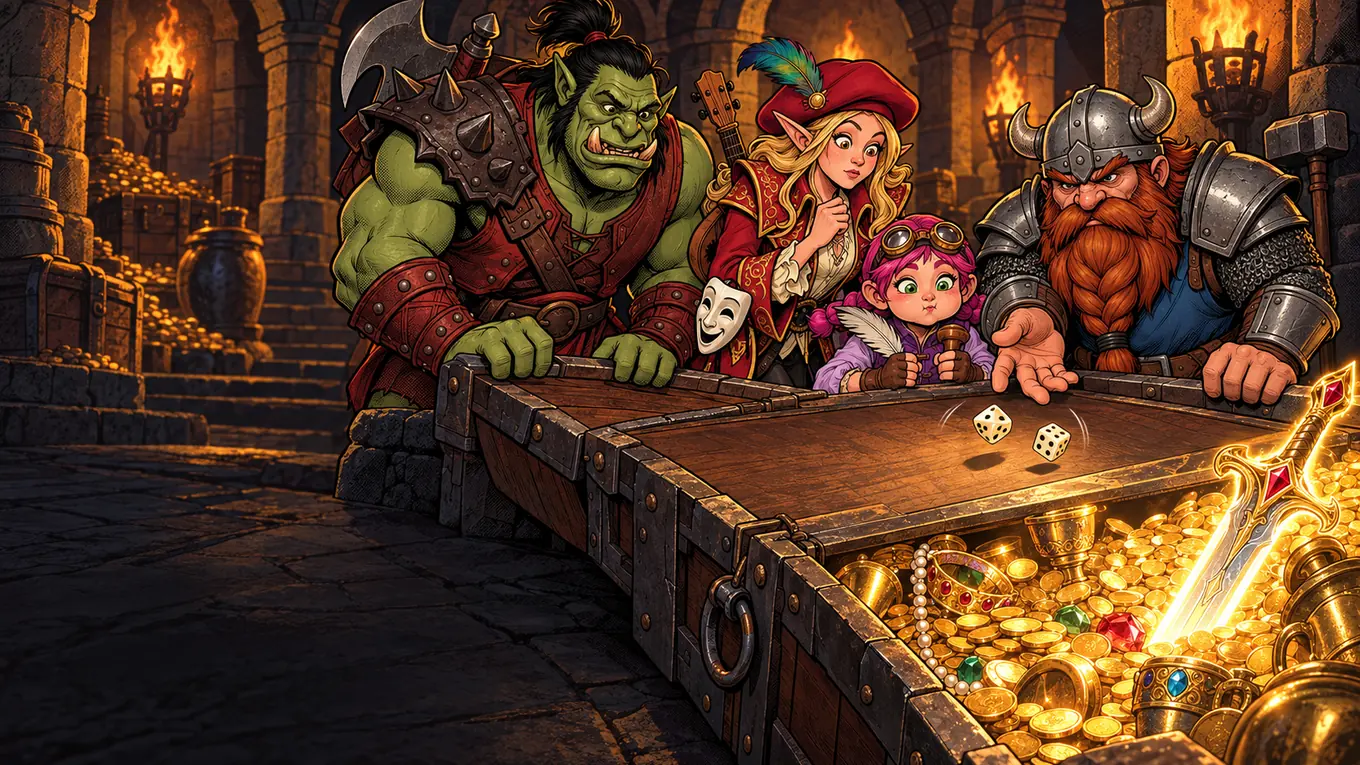
A player's open letter asks for automated raid loot that leaders and officers cannot manipulate. It is a request, not an announced system; these are the policy decisions a guild can agree before raid night.
Updated 3 min read
In this article
On 23 October, a player on the European forums posted an open letter to the development team about raid loot. The author describes themselves as a long-time player. They say they have watched friendships end and guilds break up over loot arguments, favoritism, and calls by leaders and officers that they saw as unfair. That is their own account, not a measure of how common such disputes are.
What the letter asks for
The author wants Blizzard to consider handing out raid loot automatically, in a way that is open and even-handed and that raid leaders and guild officers could not tamper with. They also list what they hope such a system would do:
- give each eligible member of the raid an equal shot at rewards
- leave no room for favoritism or for leaders misusing their position
- protect players outside a guild’s core group
- cut down the arguments that destabilise guilds
- keep gear feeling earned
They concede that complete fairness is hard to design when each class and role wants different items. They connect the request to Forever’s emphasis on community, citing the Camping system as an example of that spirit.
They also admit they have no idea if Blizzard is already planning changes to raid loot. The letter is a request. It does not report any announced change, and nothing below depends on one.
Decisions worth settling before raid night
Whatever loot options the game gives your raid, the group still has to agree how it will use them. What follows is editorial advice on guild policy, not a description of game features. Check each point against the options you actually have in game before you adopt it.
- Priorities. Decide what makes a claim strong: main role over off-role, the size of the upgrade, attendance, or something else. Then decide the order those come in.
- Ties. Agree how two equal claims are settled before it happens, not in the moment.
- New and absent members. Decide how a recent recruit’s claims compare with a long-standing member’s, and what happens when someone misses a night. Weigh whether a rule that favors regulars would put off the people you are trying to recruit.
- Who decides. Name the person or small group who makes the call when the written rules don’t settle it, and tell the raid who that is.
- Challenges. Give members an agreed way to question a decision, ideally to someone other than the person who made it, and agree when that conversation happens: after the raid, not between pulls.
Write the rules down, share them before the first raid, and treat the first few weeks as a trial you expect to revise. The letter ends on the same idea: the bosses should be the opponents, not the people in your own raid.
Sources
Research as of .
More in Raids, dungeons and guilds
All 19 articles
A creator’s dungeon exit claim: leave the group, keep your Hearthstone
Raids, dungeons and guilds
Approachable, not easy: how Blizzard’s 22 October podcast described Forever’s raid design
Raids, dungeons and guilds
Raiding without voice chat: the pings and speech tools Blizzard’s 22 October podcast discussed
Raids, dungeons and guilds

New dungeons beside the old: Forever’s nine five-player additions, level by level
Raids, dungeons and guilds
Latest articles
All articles
Six locked items, six professions: a matched set of conditions in the Forever client
World, items and secrets

Dreambound Pinnacle: a readable place name that points to an encrypted map record
World, items and secrets
Lunar Saturation: a readable Elune aura beside a locked Forever item
World, items and secrets
63 encrypted item detail records, not 12,619: an exact count from the Forever client
World, items and secrets